
When choosing a watch, most people focus on the movement, brand, or case material. However, an often-overlooked yet crucial component is the watch crystal—the transparent cover that protects the dial. Watch crystals come in different materials, each with unique properties affecting durability, clarity, and cost. In this article, we compare the four most common types: sapphire, mineral, acrylic, and hesalite.
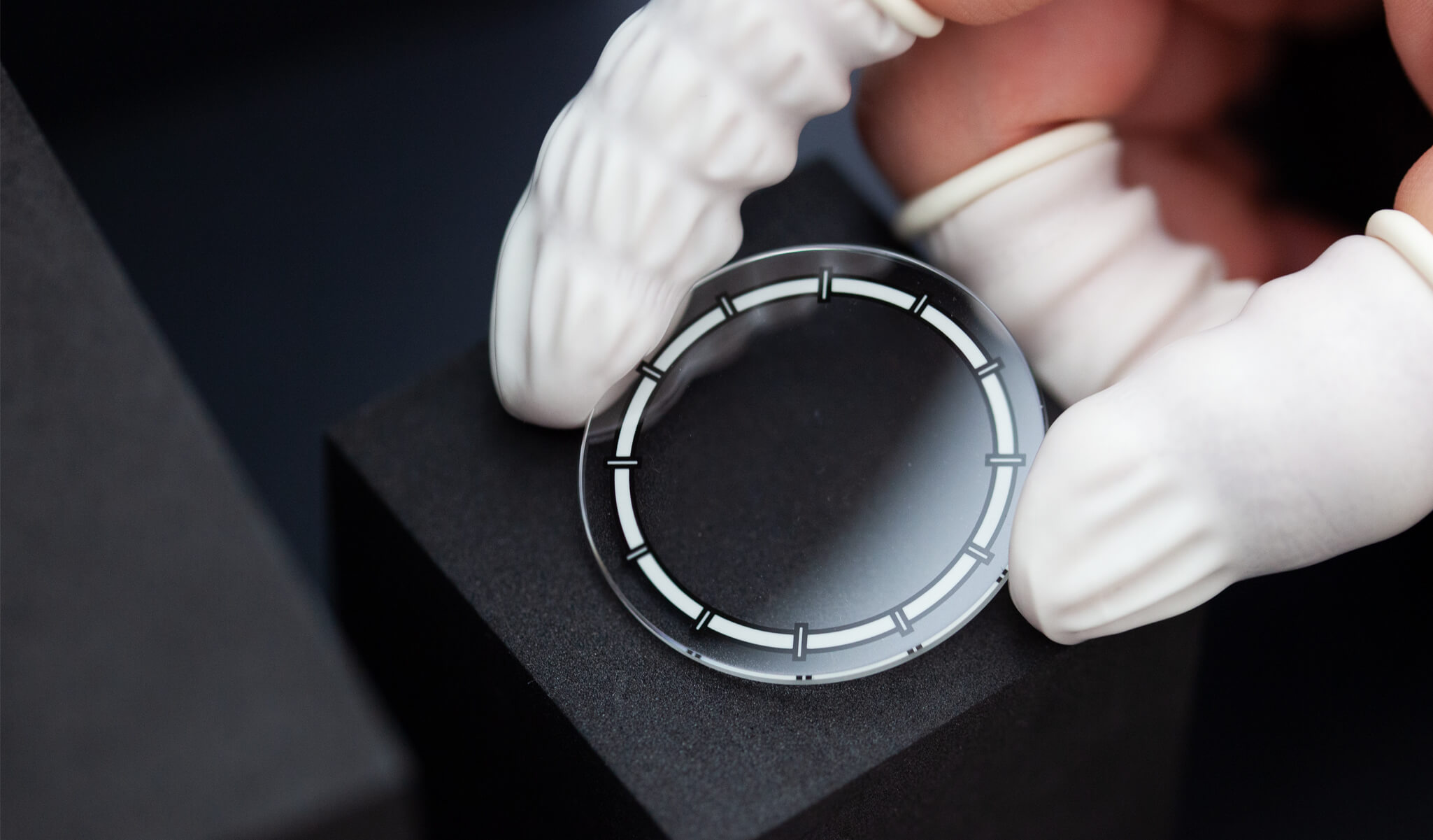
Sapphire Crystal: The Premium Choice
Sapphire crystal is the gold standard in luxury watchmaking. Made from synthetic sapphire, this material is second only to diamonds in hardness, ranking 9 on the Mohs scale. Its exceptional scratch resistance ensures that your watch face remains pristine for years. Additionally, sapphire offers superior transparency and clarity, often treated with anti-reflective coatings to reduce glare.
However, its hardness comes with a drawback—sapphire is more brittle than other materials and can shatter upon strong impact. It is also the most expensive option, primarily used in high-end and luxury watches.
Pros:
- Extremely scratch-resistant
- High transparency and clarity
- Common in luxury watches
Cons:
- Can shatter upon strong impact
- Expensive
Mineral Crystal: The Balanced Option
Mineral crystal, made from tempered glass, strikes a balance between affordability and durability. It is more scratch-resistant than acrylic but less so than sapphire. With a Mohs hardness rating of around 5-6, mineral glass can withstand everyday wear and tear but is still prone to scratches over time.
One advantage of mineral crystal is its improved shatter resistance compared to sapphire. If impacted, it is more likely to crack rather than completely shatter. It is a common choice in mid-range and entry-level watches, offering a good compromise between cost and durability.
Pros:
- More scratch-resistant than acrylic
- Less prone to shattering than sapphire
- Affordable
Cons:
- Still susceptible to scratches
- Can crack upon impact
Acrylic Crystal: The Vintage and Budget-Friendly Choice
Acrylic, a type of plastic, is the most affordable and lightweight option. Though highly prone to scratches, acrylic has the unique advantage of being easily polished to remove minor blemishes. Vintage watches and some modern military and sports watches favor acrylic for its flexibility and impact resistance. Unlike sapphire and mineral glass, acrylic is unlikely to shatter, making it a practical choice for rugged applications.
However, its softness means it accumulates scratches quickly, requiring frequent maintenance. While not as clear as sapphire, it still offers decent visibility at a much lower cost.
Pros:
- Highly impact-resistant
- Lightweight and affordable
- Scratches can be polished out
Cons:
- Scratches very easily
- Less clarity compared to sapphire
Hesalite Crystal: The Space-Age Material
Hesalite is a type of acrylic crystal but with enhanced properties, making it a standout choice in specific applications—most notably, space missions. Used in the legendary Omega Speedmaster Moonwatch, hesalite was selected by NASA for its shatter-resistant nature, ensuring that no sharp fragments would pose a risk in a zero-gravity environment.
Hesalite has similar pros and cons to acrylic, being lightweight and highly impact-resistant. However, it scratches easily but can be polished back to clarity with relative ease. It offers a warm, vintage-like appearance that some collectors prefer over the sharper reflections of sapphire.
Pros:
- Extremely impact-resistant
- Lightweight and shatterproof
- Can be polished to remove scratches
- Used in space exploration
Cons:
- Scratches easily
- Less clear than sapphire